
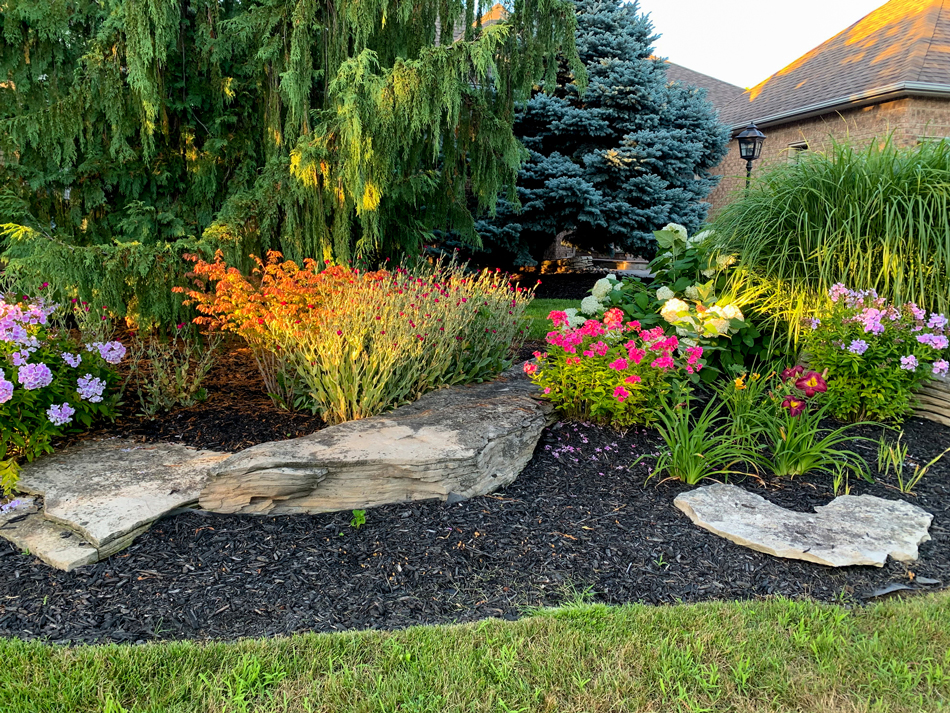
Planting a tree is an investment in your property that can provide shade, improve curb appeal, and add character to your landscape for years to come. However, not every tree is suited to every property. Choosing the right variety and planting it in the right location can make a significant difference in how well it grows and how much maintenance it requires over time.
Whether you are adding a single tree to your yard or planning a larger landscaping project, here are a few important factors to consider before planting.
Consider the Space Available
One of the first things to evaluate is how much room a tree will have as it matures. A young tree may look small when it is planted, but its branches and root system can spread considerably over the years.
Consider the tree’s expected height and canopy width before choosing a planting location. Avoid placing large trees too close to buildings, driveways, sidewalks, or other structures. You should also consider overhead utility lines and nearby trees that may compete for space.
Planning for mature growth helps reduce the likelihood of future problems and gives your tree the room it needs to develop properly.
Choose Trees That Suit Your Local Climate
Different tree species have different needs when it comes to temperature, sunlight, soil conditions, and water. A tree that thrives in one region may struggle in another, so it is important to choose varieties suited to your local growing conditions.
Consider how much direct sunlight your property receives, how quickly the soil drains, and whether the planting area is exposed to strong winds or extreme temperatures.
Selecting trees that are well suited to the local climate can help support healthier growth and reduce the need for extra care.
Think About Your Property’s Needs
Before selecting a tree, consider what you want it to accomplish. Are you looking to add shade to an outdoor seating area, create more privacy, improve curb appeal, or add seasonal color?
Large shade trees may be appropriate for spacious yards, while smaller ornamental trees can work well in more limited areas. Evergreen varieties may provide year-round greenery, while deciduous trees can offer seasonal changes in color and appearance.
Identifying your goals can help narrow your choices and create a landscape that suits both your property and your preferences.
Understand Maintenance Requirements
Some trees require more ongoing care than others. Certain varieties may produce significant amounts of leaves, seeds, fruit, or small branches, while others may need more frequent pruning to maintain their shape and structure.
Think about how much time you want to spend on landscape maintenance throughout the year. Consider whether the tree will need regular trimming, seasonal cleanup, or additional attention as it matures.
Choosing a tree that fits your maintenance preferences can help you enjoy your landscape without creating unnecessary work.
Give Your Trees a Strong Start
Proper planting plays an important role in a tree’s long-term health. Factors such as planting depth, soil conditions, watering, and available growing space can all influence how well a new tree becomes established.
Avoid planting a tree too deeply, and make sure its roots have enough room to grow. Watering needs will vary depending on the species, soil, and weather, so follow recommendations suited to the tree you select.
It is also important to avoid damaging the trunk or root area during nearby landscaping and property maintenance projects.
Plan for the Future
A well-planned landscape considers not only how the property looks today but also how it will change over time. As trees grow, they can alter the amount of sunlight reaching nearby plants, affect views, and influence the layout of outdoor spaces.
Think about how a tree will fit into your property five, ten, or even twenty years from now. Planning ahead can help you avoid overcrowding and create a landscape that remains attractive and functional as it matures.
If you are unsure which trees are best suited to your space, consulting a landscaping professional can help you evaluate your property and plan your planting project.
Build a Landscape That Lasts
Choosing the right trees involves more than selecting a variety that looks appealing. Considering mature size, local growing conditions, maintenance needs, and your long-term landscape goals can help you make a decision that benefits your property for years to come.
SAB Lawn & Landscaping offers tree planting services, landscaping, and tree care to help property owners create and maintain outdoor spaces. With thoughtful planning and the right approach, you can build a landscape that grows beautifully over time.
Contact SAB Lawn & Landscaping to discuss your tree planting and landscaping needs.


 Skip to content